By: Oratile Matsapola
The 25th SAAPAM Annual Conference brought together senior government officials, local government leaders, academics and governance practitioners for a critical discussion on the challenges confronting local government in South Africa, with particular attention to local government challenges and elections.
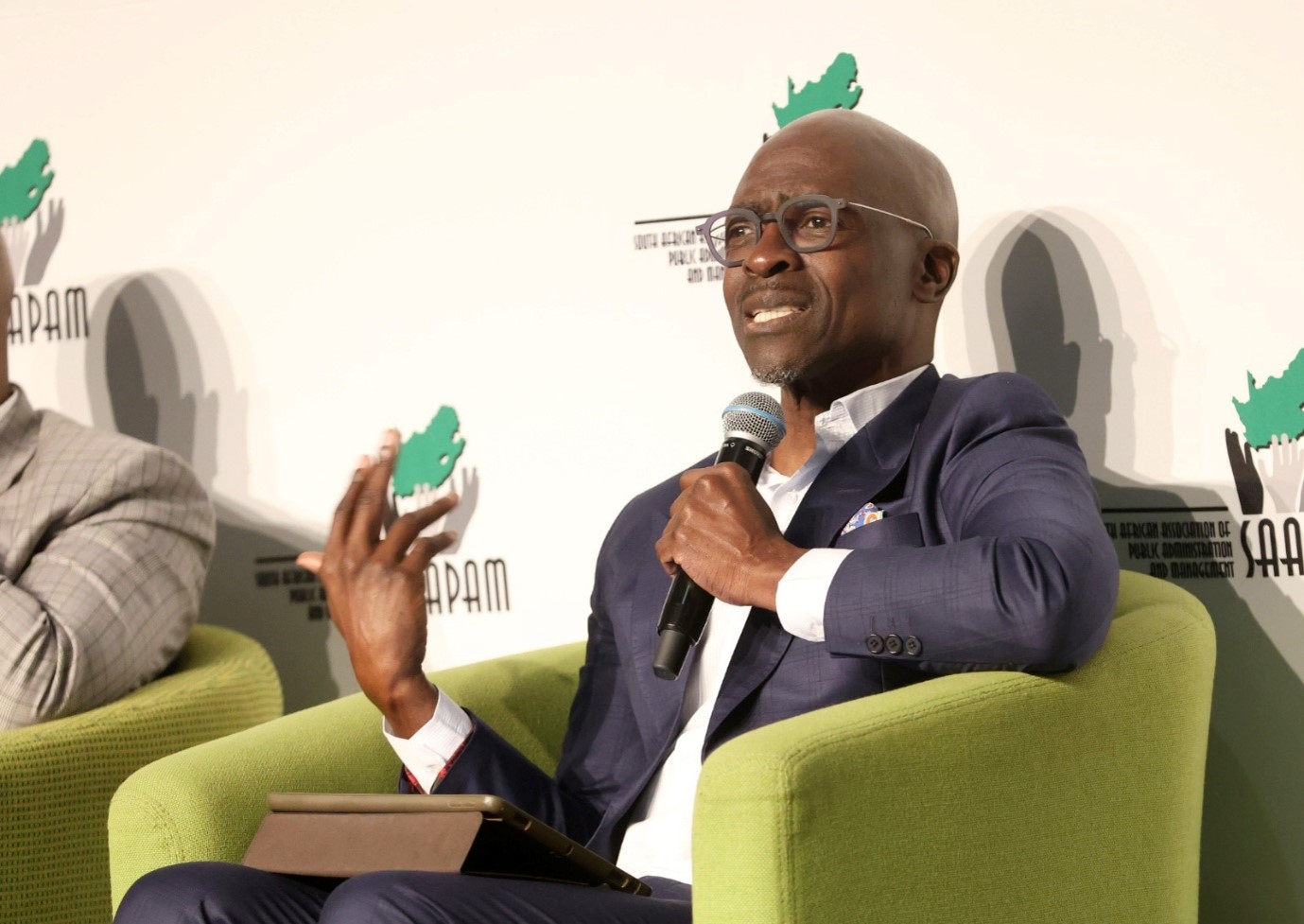
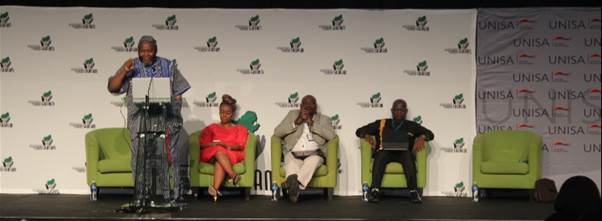
The Local Government Panel, themed “Local Government Challenges and Elections,” took place on 27 September 2026 at the Durban International Convention Centre (Durban ICC). The session was chaired by Dr Nomfundo Faith and brought together perspectives from government, organised local government, municipal administration and public-sector leadership.
The panel featured Dr Dickson Masemola, Deputy Minister of Cooperative Governance and Traditional Affairs; Mr Bheki Stofile, President of the South African Local Government Association (SALGA); Dr Risenga Shilenge, Collins Chabane Local Municipality Manager; Dr Moatlhodi Dilotsotlhe, Provincial Executive Representative in the City of Matlosana; and Dr Pali Lehohla, former Statistician-General of South Africa.
Professionalising politics and governance
A central issue emerging from the discussion was the relationship between political leadership and professional governance. The panel highlighted the need to strengthen both political leadership and municipal administration if local government was to effectively serve communities.
The discussion emphasised that professionalising governance could not be separated from the quality and conduct of political leadership. The argument raised during the session was that politics itself needed to be professionalised before governance could be effectively professionalised.
This perspective aligned with ongoing government efforts to professionalise local government administration. CoGTA has identified professionalisation, capable administration, ethical leadership and stronger governance systems as key priorities for strengthening municipalities.
The panel also considered the importance of clearly distinguishing political responsibilities from administrative functions. This relationship has remained a significant issue in local government reform discussions, with the Draft Revised White Paper on Local Government identifying the need for professionalised administration, clearer political-administrative roles and greater accountability.
Addressing the challenges facing municipalities
The discussion examined several challenges affecting municipalities, including financial sustainability, service delivery, institutional capacity, accountability, political stability and the availability of skilled personnel.
The speakers reflected on the need for municipalities to develop stronger administrative systems and ensure that suitably qualified professionals were appointed to critical positions. Professionalisation was presented not simply as an administrative reform, but as an important foundation for effective and sustainable local governance.
Government has similarly identified municipal financial viability, institutional capacity and professionalisation as areas requiring continued attention. CoGTA’s current reform programme includes work on the local government fiscal framework, municipal administration and the broader policy framework governing municipalities.
The panel further highlighted the importance of accountability and ethical leadership. These issues were linked to the ability of municipalities to maintain public confidence and deliver services effectively.
Local government and the 2026 elections
The discussion also took place against the backdrop of the upcoming 2026 Local Government Elections, which were officially scheduled for 4 November 2026.
The panel considered the relationship between elections, political leadership and the functioning of municipalities. Elections provide communities with an opportunity to participate in determining the political leadership of their municipalities, while the effectiveness of those institutions depends on the ability of political and administrative structures to work within their respective responsibilities.
The issue of political stability was particularly relevant in discussions around coalition governments. CoGTA has been developing legislative reforms intended to provide greater stability, accountability and predictability in municipalities where no single political party obtains an outright majority.
Building capable and accountable municipalities
The participation of representatives from government, SALGA, municipal administration and the broader public-sector community provided delegates with different perspectives on the challenges facing municipalities.
The discussion reinforced the importance of capable institutions, professional administration, ethical leadership and clear accountability in strengthening local government. It also highlighted that reforms required more than changes to legislation and policy; they required effective implementation and leadership at municipal level.
The panel’s discussion reflected wider government efforts to reform the local government system. The revised White Paper process has focused on strengthening governance, improving institutional capacity, promoting political stability, professionalising municipal administration and reforming the local government fiscal framework.
The session ultimately provided delegates with an opportunity to reflect on the relationship between politics, administration and governance and the role each plays in determining the effectiveness of municipalities.
As South Africa moved towards the 2026 Local Government Elections, the discussion at the 25th SAAPAM Annual Conference underscored the importance of strengthening both political and administrative institutions. The message emerging from the panel was that effective local government required capable institutions, accountable leadership and a professional public administration that remained focused on the needs of communities.
How can we help you?