By; Oratile Matsapola
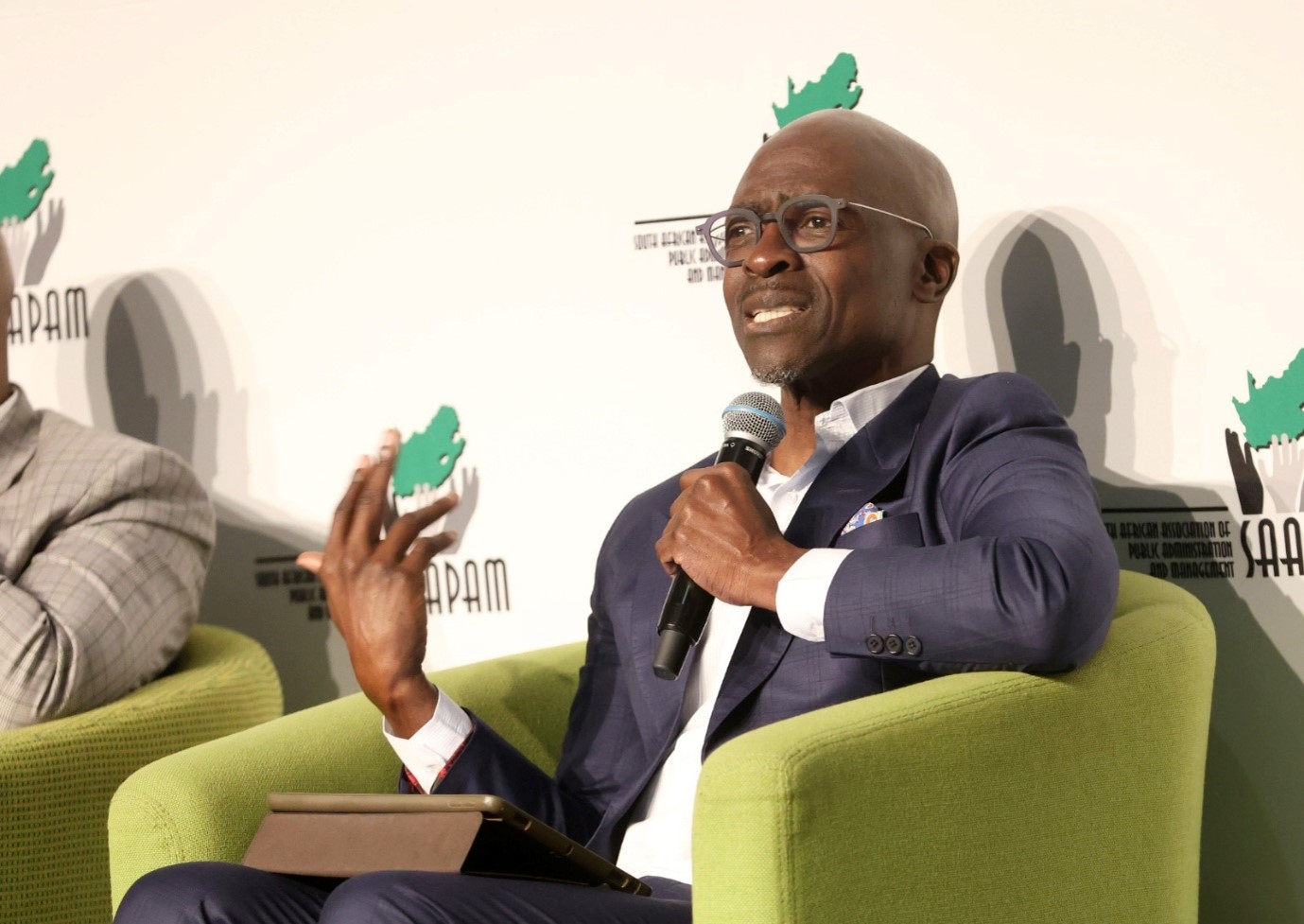
[In picture] Dr Malusi Gigaba at the SAAPAM 25th Annual Conference
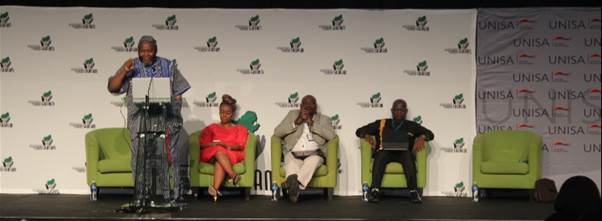
The future of South Africa was placed under the spotlight on Sunday, 27 September 2026, during a panel discussion at the 25th South African Association of Public Administration and Management (SAAPAM) Annual Conference at the Durban ICC. The session brought together political and governance experts, including Minister of Human Settlements Ms Thembi Simelane, Chair of the Standing Committee on Appropriations Dr Mmusi Maimane, Member of Parliament Dr Malusi Gigaba, Executive Mayor of the City of Tshwane Dr Nasiphi Moya and governance, politics and development specialist Mr Lukhona Mnguni. Chaired by Prof Busani Ngcaweni, the discussion examined the challenges facing South Africa and what needs to change to build a more sustainable and effective future.
Dr Malusi Gigaba highlighted the importance of economic growth, institutional capacity and strengthening the country’s ability to understand and respond to its development challenges. He raised concerns about Statistics South Africa being underfunded, emphasising the importance of reliable information in planning and decision-making. He also spoke about the need to focus on people and how institutions organise and develop their capacity, rather than relying only on plans. His contribution pointed to the importance of strengthening institutions so that policies and development strategies can be informed by credible evidence and translated into meaningful outcomes.
Executive Mayor of the City of Tshwane Dr Nasiphi Moya called for an end to what she described as performative decision-making. She argued that leaders need to be realistic about the conditions communities and municipalities face and make decisions based on those realities. Moya also stressed that elected representatives play an important role in shaping the society in which people live. Her contribution placed emphasis on practical governance, accountability and ensuring that political leadership produces tangible outcomes for communities rather than decisions that exist primarily on paper.
Mr Lukhona Mnguni raised concerns about South Africa’s political and constitutional future, arguing that the country’s future is at risk if institutions and political processes are not strengthened. He also emphasised the importance of taking local political parties seriously and ensuring that they have meaningful opportunities to participate in decision-making. Mnguni referred to the constitutional threshold required for major amendments, highlighting the significance of broad political agreement when making fundamental changes to the country’s governing framework.
The panel also encouraged delegates to broaden the way they think about South Africa’s future and to consider how different sectors can contribute to solving the country’s challenges. The discussion highlighted the relationship between political leadership, public institutions, evidence-based decision-making and local governance. Speakers stressed that South Africa’s future cannot be secured through plans alone, but requires elected representatives and public institutions to translate decisions into practical action. The discussion ultimately asked what South Africa must change, who should take responsibility for that change, where governance improvements should be implemented, when action should take place, why institutional effectiveness and accountability matter, and how leaders and citizens can work together to address the country’s challenges. The panel formed part of SAAPAM’s broader
How can we help you?