Written by Onthatile Morulane
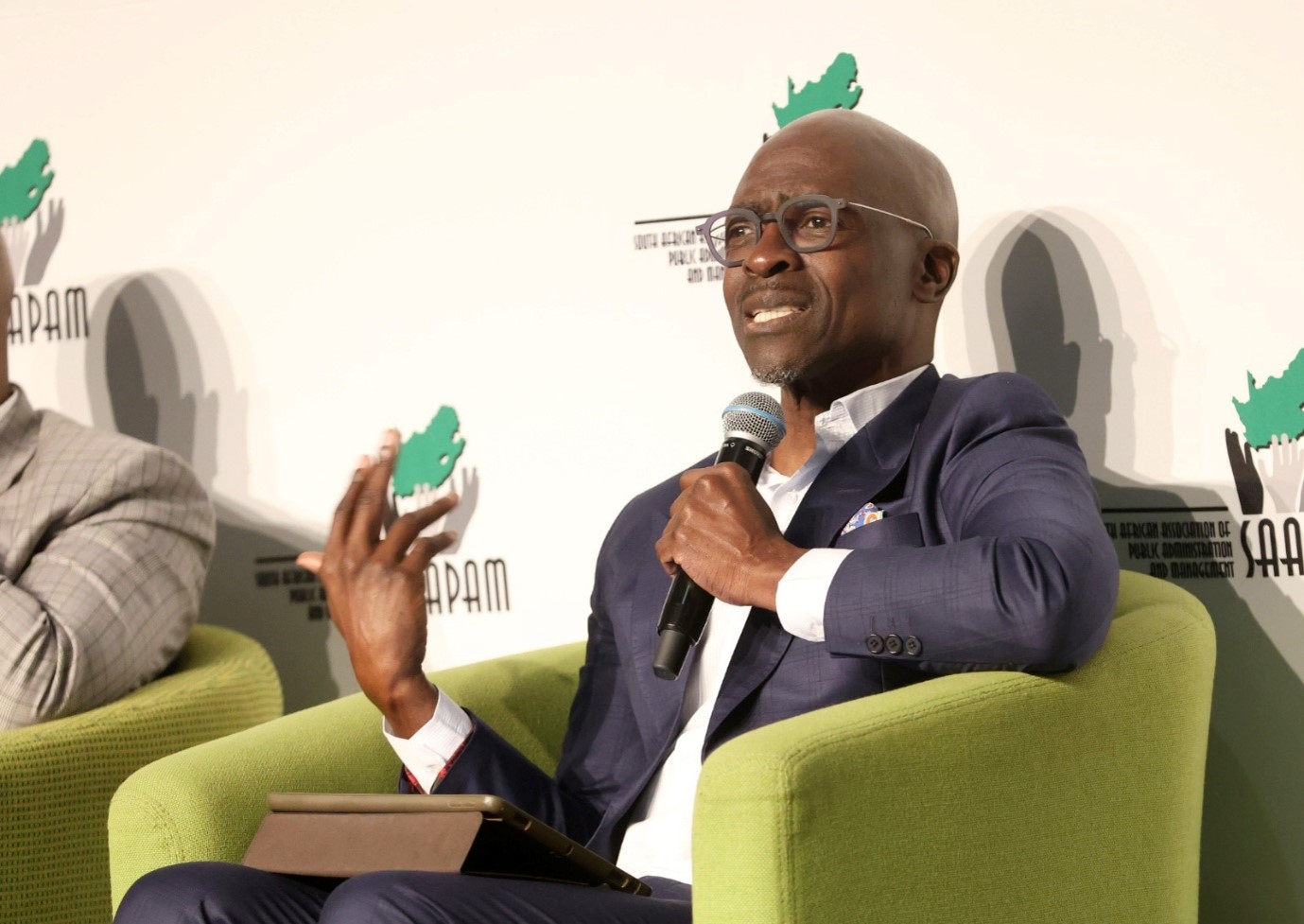
Dr Somadoda Fikeni, Chairperson of the Public Service Commission, says the country has the institutions it needs. What it has lost, he argues, is its conscience.
There is a warehouse somewhere in South Africa where textbooks sit on shelves while learners wait for them. They have not been lost or stolen and nothing is wrong with them. They are simply waiting and have been for six months.
Somadoda Fikeni, Chairperson of the Public Service Commission (PSC), uses this image to capture what he sees as the central contradiction of South Africa’s democracy. The books are there, he says and the system exists. An ordinary person could fix the problem quickly.
“When you can’t deliver textbooks for six months, which are in a warehouse, you know if you ask your aunt in the village to deliver those books, they will do it in one week.”
Fikeni’s argument begins with a puzzle. South Africa built a celebrated constitutional order, with strong institutions, sound policies and robust democratic architecture, yet many citizens still experience poor outcomes. He calls this “the paradox of good institutions, good policies but poor outcomes.”
His explanation is not a shortage of laws. The country, he argues, failed to invest enough in the human factor, meaning the quality of the political and administrative leaders who bring institutions to life. Early in the democratic era, he recalls, some ministers and directors-general delivered because they were already “groomed and ready to do the work” through experience or commitment to the struggle.
Then, roughly a decade into democracy, something shifted.
“We left the highway. We took a detour.”
The detour, he says, led towards a patrimonial state, in which institutions and resources become open to political and personal interests.
Fikeni’s most striking claim is that failure in the public sector is not always accidental. Drawing on five years of PSC inspections, he says the same patterns kept appearing across different departments and institutions. He calls it “the political economy of inefficiency”, and his conclusion is blunt: “This is not an accident, it’s by design.”
In his view, some systems keep failing because powerful networks profit from the failure. He argues that justice is slowed in the same way. Those who have benefited from corruption, he says, can use their resources to keep accountability at bay for years. It is also why, he suggests, recommendations from processes such as the Zondo Commission have not been fully implemented: “It’s the patronage networks that benefit.”
The problem, as he frames it, is not only corruption itself but also the networks and practices that let it survive.
Fikeni also challenges how government is measured. A clean audit, he argues, is not proof of a successful department. The better question is whether a department is fulfilling the mandate it was created for.
He contrasts this with a narrow defence of “I didn’t steal any money.” Preventing theft is essential, he says but it is not the same as delivering education, water or safe infrastructure. A department can pass its audit and still fail the public.
The examples he draws from PSC inspections are vivid. He describes a water supply that was reportedly shut off even though reserves were full and the infrastructure worked, allegedly because of a political dispute. He cites examinations postponed at the University of Venda. And he refers to R24 million allegedly spent on poor welding on staircases in Komani. “We say this is the state,” he says. “And it happens.”
Behind these examples is what Fikeni calls a conformance-based approach: institutions explain why something failed, cite the rule they followed and produce documents to prove it, without fixing the problem. He warns that until this changes, the country “won’t be able to explain why people have checked out from our democracy.”
Citizens, he argues, judge the state by what they experience. They look at whether the tap runs, whether children have textbooks, whether infrastructure is safe and whether wrongdoing is punished. Officials who can quote the law but cannot deliver are not fooling anyone.
Fikeni’s proposed remedy is less technical than moral. He identifies a shortage of political will, and also of what he calls administrative will: officials willing to act decisively rather than wait for instructions or hide behind procedure. He also challenges academia, asking why scholars should not shape public thinking as influential thinkers have in the past, rather than focusing mainly on career progression.
His diagnosis goes deeper still. He warns that society has grown fixated on status, such as the size of a house or the number of trips abroad, at the expense of public duty. “We’ve lost our consciousness and our conscience,” he says.
The answer, in his words, is an “intrinsic-based, value-based approach, where it is people-centered.” Public servants should act because they understand their responsibility to citizens, and not only because a regulation compels them.
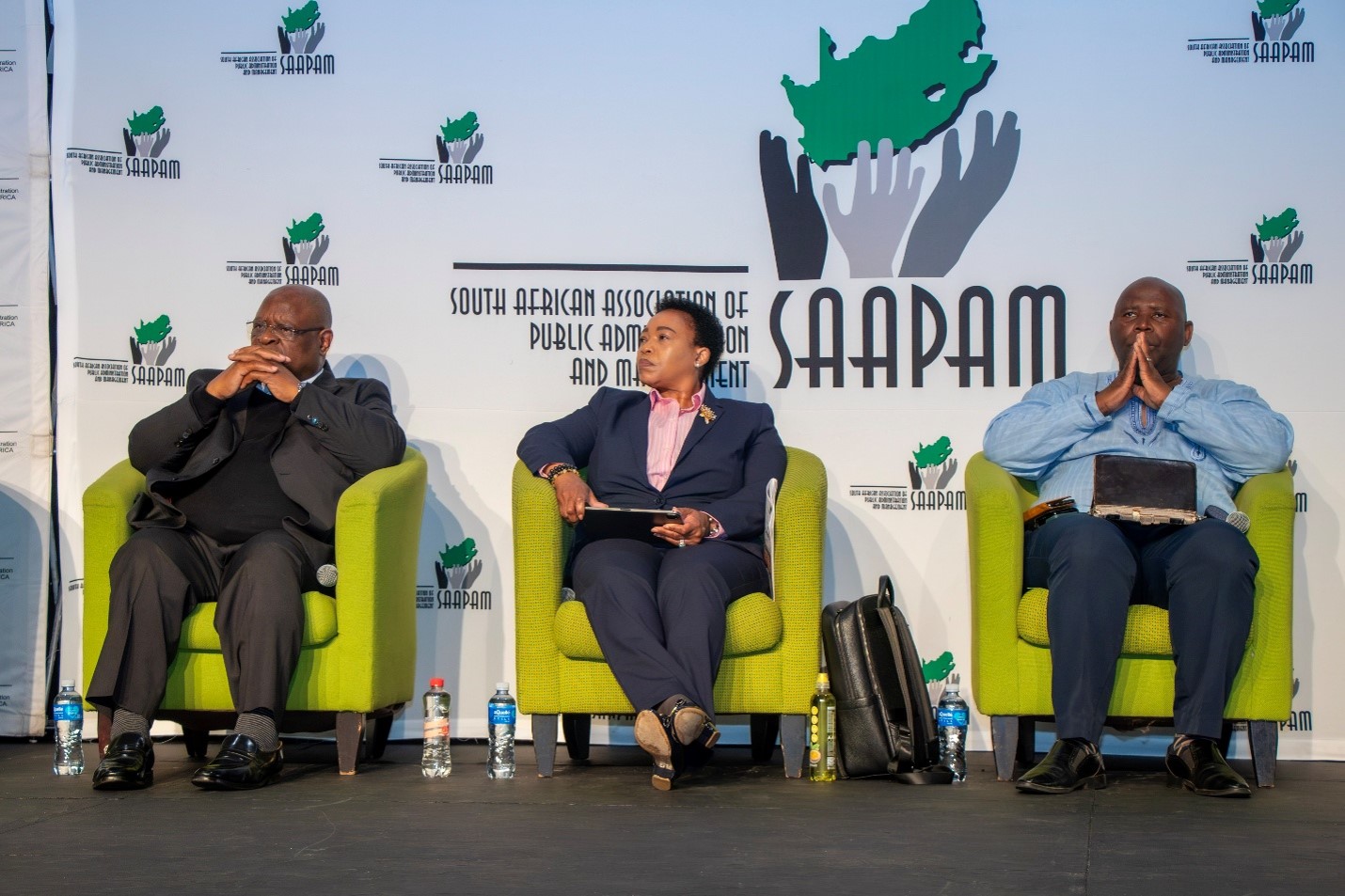
Fikeni’s message speaks directly to the theme of the 25th SAAPAM Annual Conference, Growth and Sustainability through Improved Governance: Reimagining Institutions, Leadership and Development in a Changing World. Reimagining institutions, his speech suggests, begins with reimagining the people and values inside them.
His own summary of the stakes is that a clean audit is not enough, compliance is not enough and laws alone are not enough. What South Africa needs is to restore public service as a public trust.
Until then, there are still textbooks waiting in a warehouse.
How can we help you?